The Feed: how the market works, in sixty-second lessons
The Feed, as pages
Eleven sixty-second lessons. Every one is also a written lesson.
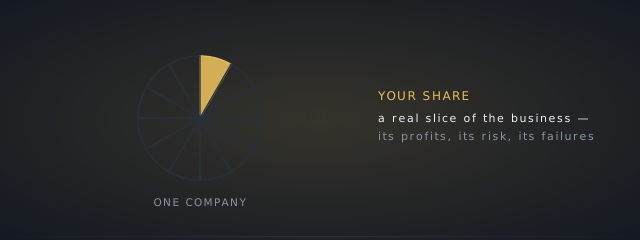
- The marketWhat is a stock, reallyA stock is a slice of ownership in a real company. What that entitles you to, what it does not, and why the price moves without the company changing.
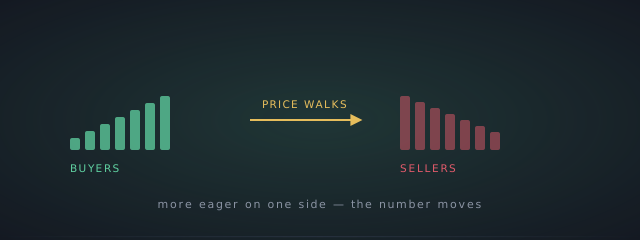
- The marketWhy prices movePrices move when buyers and sellers disagree about the future. Why good news can drop a stock, and why “priced in” explains most of what looks irrational.
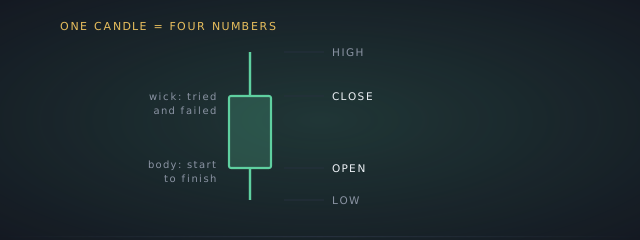
- Reading the screenHow to read a candlestick chartEach candle packs four numbers into one shape: open, high, low, close. Learn the body, the wicks, and what a long wick is actually telling you.
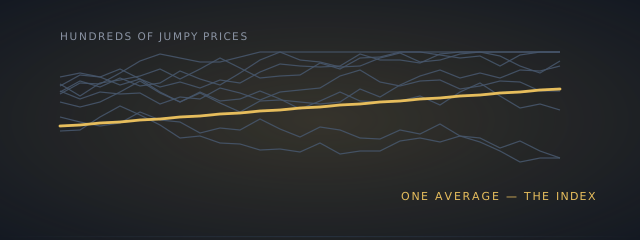
- The marketWhat people mean by “the market”The market is not something you can buy: it is an average. What an index is, why it is calmer than any stock in it, and what the average hides.
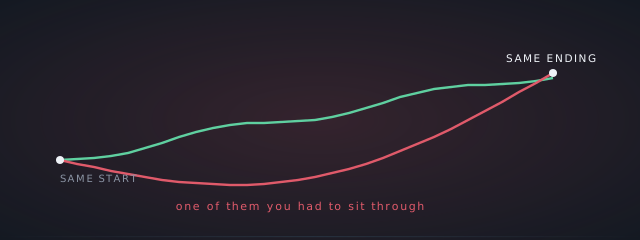
- Staying inRisk is the ride, not just the endingTwo investments can reach the same place by very different roads. Why the size of the swings matters more, and why people quit at the bottom.
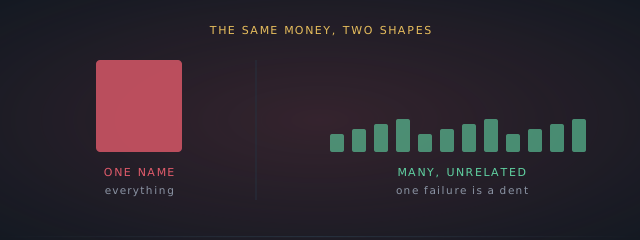
- The trapsWhen one stock is your whole accountA single position can go to zero for reasons no analysis predicts. Why concentration is the risk you are not paid for, and how correlation hides it.
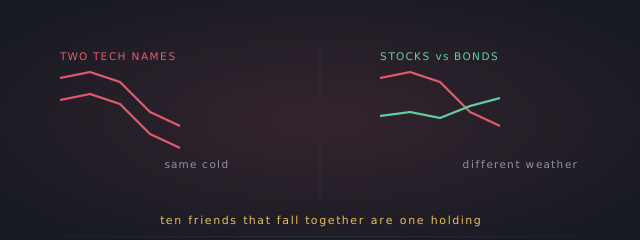
- Staying inFriends that fall togetherAssets that move together are correlated, and ten correlated holdings diversify about as well as one. How to tell real spread from the appearance of it.
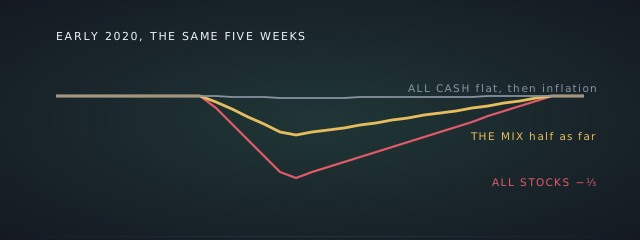
- Staying inThe mix, and what it is actually forA mix does not dodge a crash: it makes one survivable, which is what keeps you present for the recovery. What early 2020 did to three different choices.
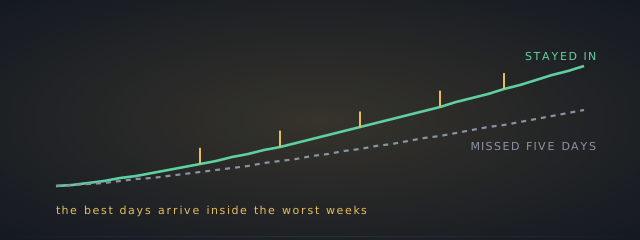
- Staying inWhy the best days hide next to the worstMiss only a handful of the market’s best days over two decades and a large share of the result disappears. The problem is when those days actually happen.
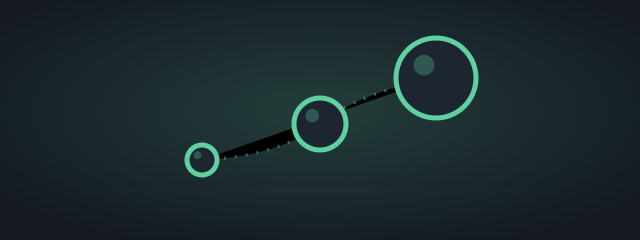
- CompoundingThe cost of waiting: why a few years early changes everythingStarting to invest even a few years earlier can mean a far larger result, because compounding rewards time more than amount. Here's the math.
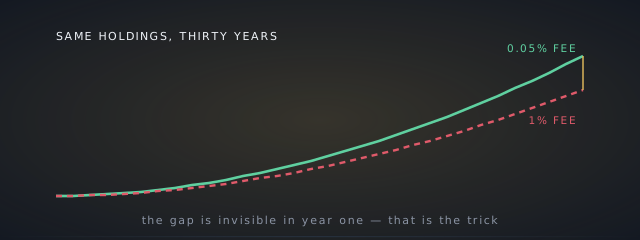
- What it costsWhat you pay to be in itA fund’s yearly fee is taken quietly, from inside, every year, and it compounds against you. Why 1% versus 0.05% is not a small difference over decades.